
When The House Phone Rang, Everybody Knew
📞 Before Smartphones: The House Phone Era
Before smartphones lived in every pocket, the whole house shared one phone.
One number. One cord. One caller ID box. One answering machine blinking in the dark like it was holding family secrets. 😂
The house phone was not just a way to call somebody. It was part of the home. It sat in the kitchen, the hallway, the living room, or next to somebody’s bed, and when it rang, everybody knew.
Sometimes it was for your parents.
Sometimes it was for your brother or sister.
Sometimes it was the call you had been waiting on all day.
And sometimes somebody yelled, “DON’T ANSWER THAT!” from another room. 😂
/☎️ The Kitchen Phone Was Headquarters
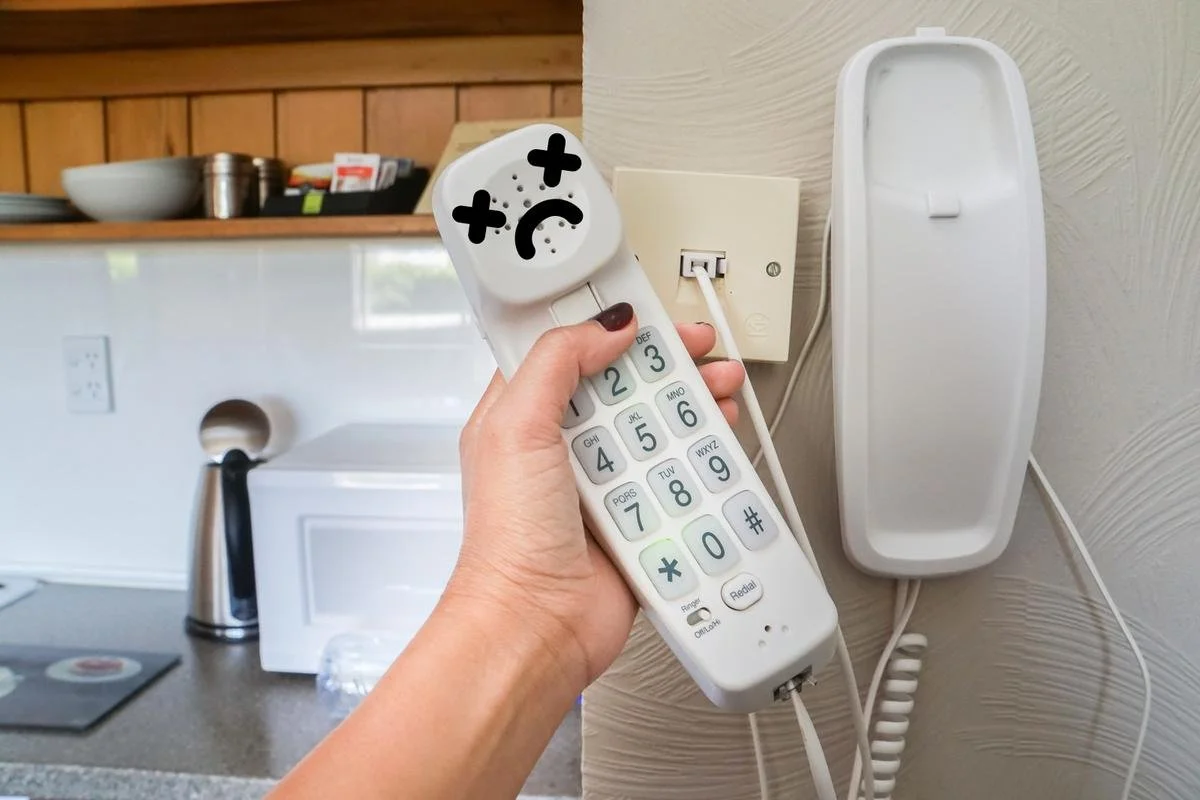
Every family had that one phone spot.
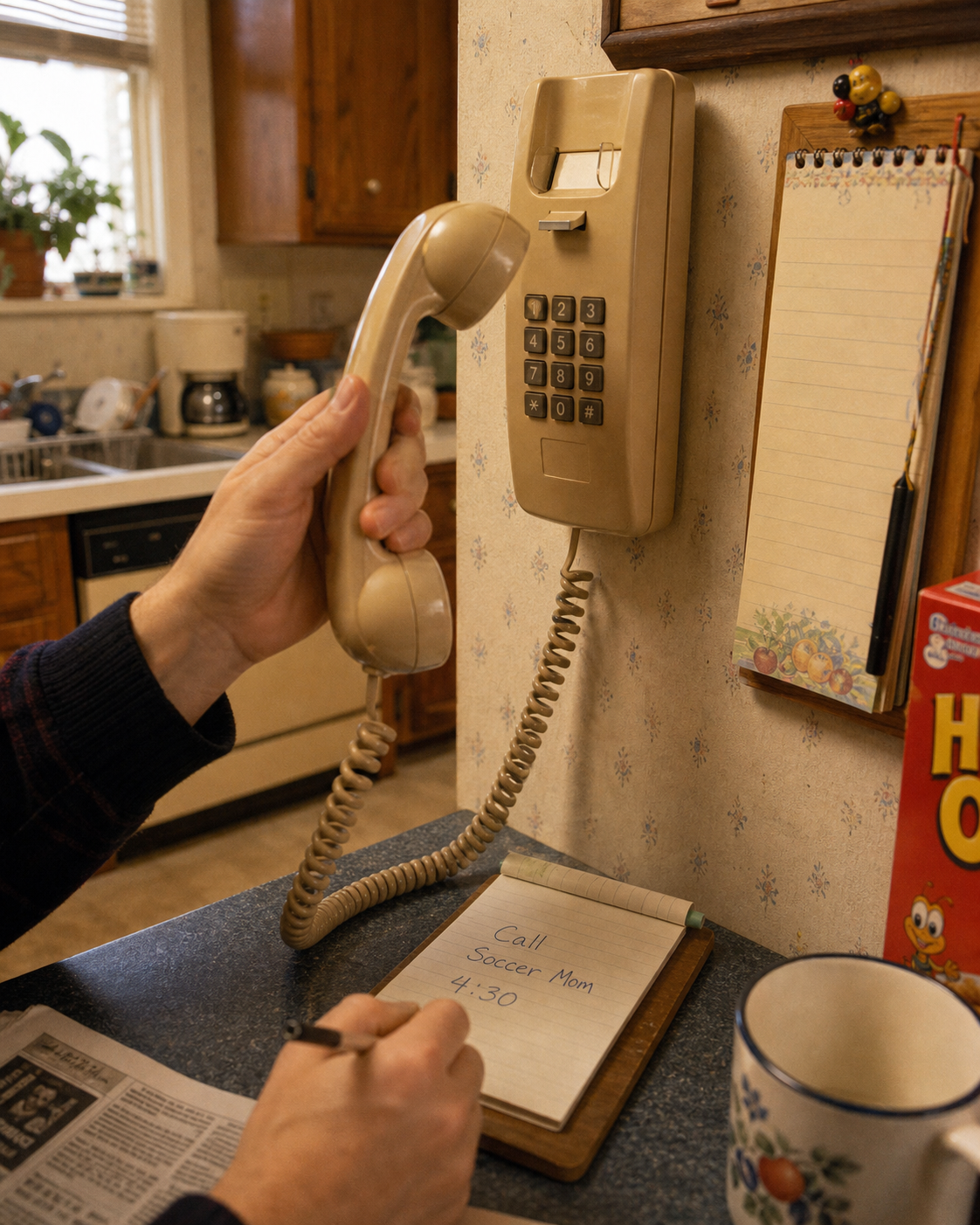
Maybe it was mounted on the wall next to the refrigerator. Maybe it sat on a hallway table beside keys, mail, and a notepad full of numbers. Maybe the cord was stretched so far it looked like it had been through a full family emergency.
That phone heard everything.
School gossip. Dinner plans. Ride requests. Birthday invites. “Come pick me up.” “Tell them I’ll call back.” “Ask your mom first.”
And if there was a notepad nearby, half the messages were written so fast nobody could read them later.
📞 You Actually Had To Remember Numbers
There was a time when phone numbers lived in your brain.
Your best friend’s house? Memorized.
Grandma’s house? Memorized.
The pizza place? Probably memorized too.
If someone asked for a number, people did not open an app. They either knew it, checked the phone book, or yelled across the house for somebody else to remember it.
That was normal.
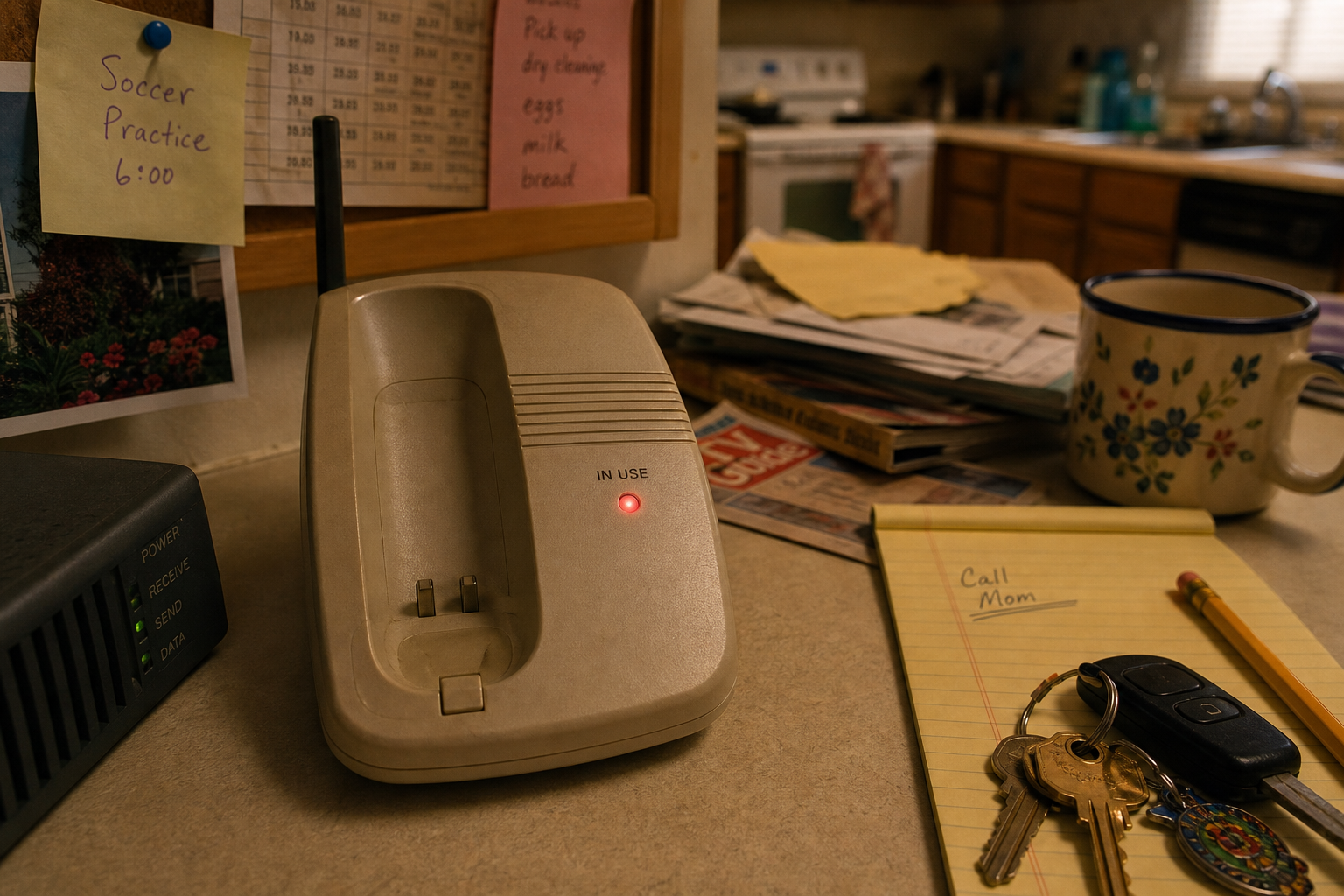
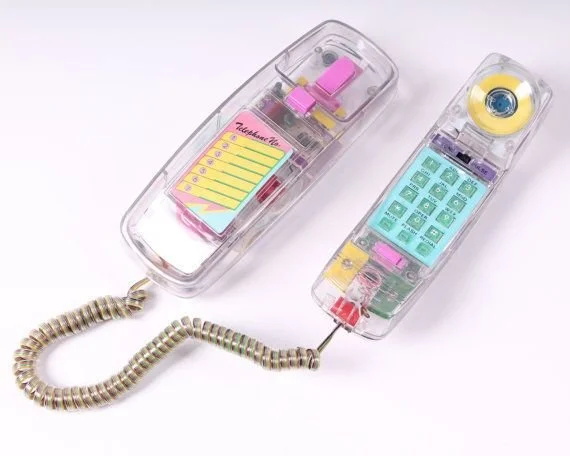
And somehow, decades later, a lot of people still remember their childhood home number better than the password they made last week. 😂
📟 Caller ID Changed Everything
Before caller ID, answering the phone was a gamble.
It could be your friend.
It could be your aunt.
It could be a wrong number.
It could be somebody your parents did not feel like talking to.
Then caller ID showed up and changed the whole mood of the house.
Suddenly everybody became a detective.
“Who is it?”
“Let it ring.”
“Don’t answer.”
“Why are they calling again?”
“Pick it up and see what they want.”
Caller ID did not just show a number. It created family strategy. 👀
📼 The Answering Machine Had Drama
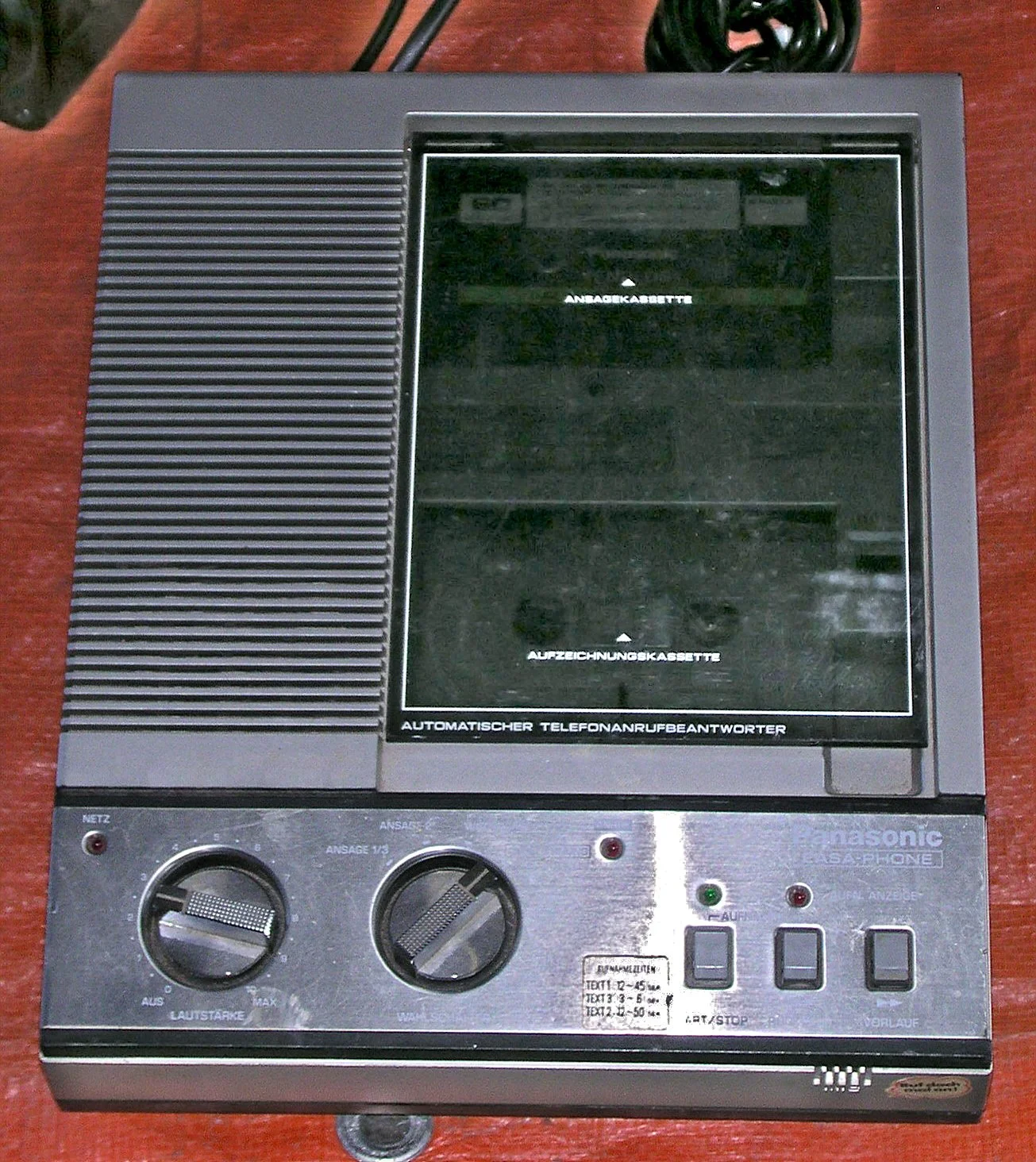
That little blinking red light could make a room feel serious.
One message waiting felt important.
Three messages waiting felt like something happened.
And when someone hit play, everybody nearby got quiet.
The answering machine was group listening whether the message was meant for everybody or not. A missed call, a long pause, a voice on the tape, somebody saying “call me back” like it was urgent.
Then there was the outgoing message.
Some families kept it normal. Some tried to be funny. Some had the whole household shout “HELLO!” at once. And some people recorded over it ten times trying to sound casual. 😂
💻 “Get Off The Internet, I Need The Phone!”
Dial-up internet made the house phone even more legendary.
If someone was online, nobody could use the phone. If someone picked up while the internet was connected, the whole thing screamed, clicked, froze, and disconnected.
That sound alone belongs in a museum.

Before Wi-Fi, before unlimited data, before everyone had their own screen, the phone line was a battlefield.
Somebody wanted to chat.
Somebody wanted to get online.
Somebody was waiting for a call.
Somebody’s mom needed to use the phone.
And everybody was annoyed. 😂
🌀 The Long Cord Was Privacy
The extra-long curly cord was a lifestyle.
It stretched from the kitchen into the hallway. From the hallway into the closet. Around the corner. Through a doorway. Under a chair. Wherever privacy could be found.
But privacy was never guaranteed.
Somebody was always close enough to hear half the conversation. Somebody always picked up another phone in the house. Somebody always said, “I’m not listening,” while absolutely listening.
That cord twisted, knotted, stretched, snapped back, and somehow survived years of family drama.
📖 The Phone Book Was Google Before Google
Need a number? Grab the phone book.
Those giant yellow books showed up at the door and stayed somewhere in the kitchen, garage, cabinet, or junk drawer zone.
Finding a business meant flipping through tiny print, scanning names, checking ads, and hoping the number was still right.
Pizza places. Plumbers. Doctors. Movie theaters. Repair shops. Everybody was in there.
And if the number was important enough, it got written on a magnet, taped to the fridge, or added to the family list by the phone.
📱 Why The House Phone Era Still Hits
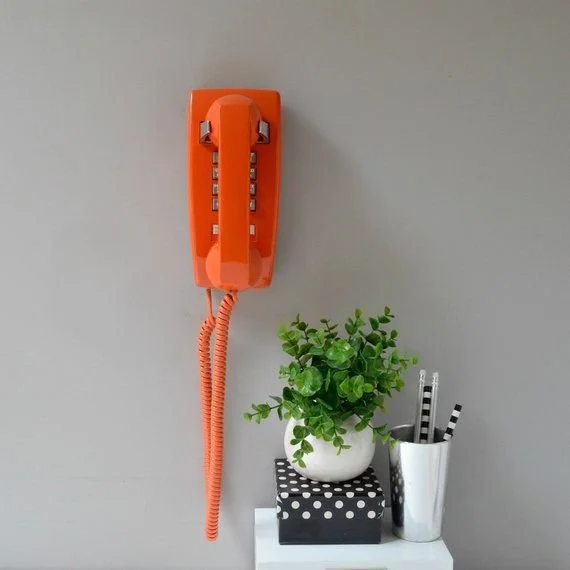
The house phone era was slower, louder, and somehow more personal.
Calls interrupted the whole house.
Conversations had weight because people actually had to talk.
Waiting for a call meant really waiting.
And every ring carried a little mystery.
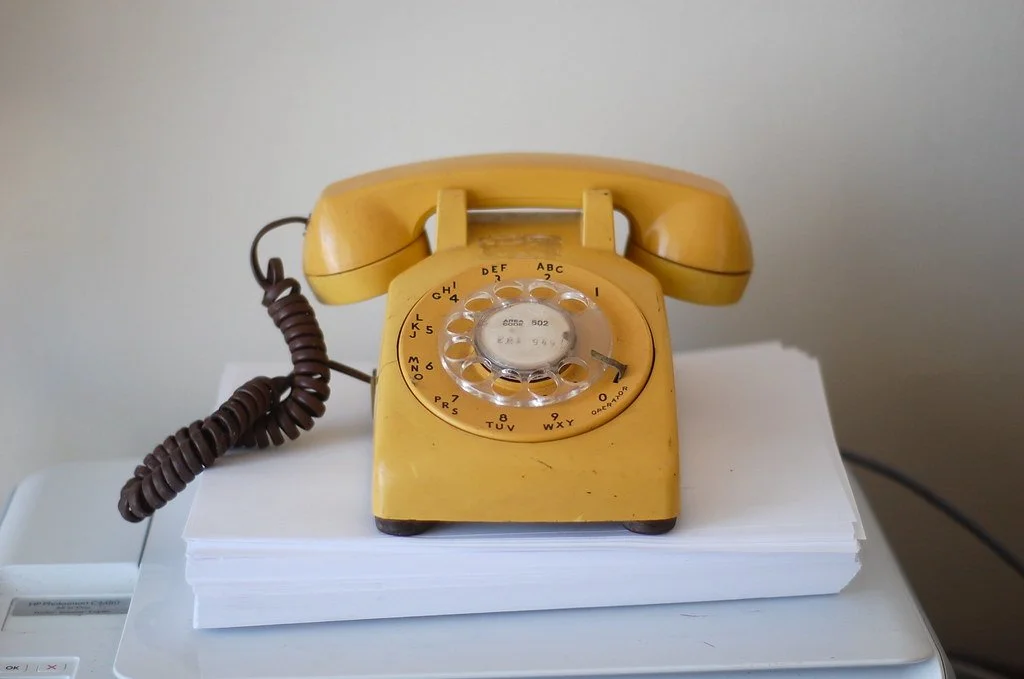
Today, everybody has their own phone, their own notifications, their own private screen.
Back then, the phone belonged to the house.
It connected everybody, annoyed everybody, exposed everybody, and somehow became part of the memory.
So let’s make it official:
👇 Do you still remember your childhood home phone number?
📞 And who were you always hoping was calling?
#StudioVHyperBlogs #HousePhoneEra #LandlineNostalgia #BeforeSmartphones #90sNostalgia #80sNostalgia #CallerID #AnsweringMachine #CordlessPhone #DialUpInternet #PayphoneMemories #PhoneBook #RetroNostalgia #NostalgiaCulture